
Peak Performance Through Smart Hydration
Hydration is the foundation of athletic performance. Whether you're training at the gym, competing in endurance events, or pushing your limits in team sports, proper fluid and electrolyte balance directly impacts your strength, recovery, and mental clarity. Our comprehensive hydration guides help you understand the science behind staying optimally hydrated and performing at your peak.
The information on this site is for educational purposes only and does not constitute medical advice. Always consult a qualified healthcare professional before making health decisions.
Essential Features of Proper Hydration
Understanding the core elements of hydration science helps you optimize your athletic performance and recovery. Here are the key features every serious athlete should know about.
Electrolyte Balance
Sodium, potassium, and magnesium regulate muscle contractions, nerve signals, and fluid retention. Proper electrolyte balance prevents cramping, maintains blood volume, and supports cardiovascular function during intense exercise. Athletes lose these crucial minerals through sweat and need strategic replacement to maintain performance.
Cardiovascular Support
Adequate hydration maintains blood volume and viscosity, allowing your heart to pump efficiently and deliver oxygen to working muscles. Dehydration increases heart rate, reduces endurance capacity, and impairs thermoregulation. Smart hydration strategies keep your cardiovascular system operating optimally during training and competition.
Cognitive Performance
Dehydration impairs focus, reaction time, and decision-making—critical for competitive athletes. Even mild fluid loss reduces mental clarity and can negatively affect technique and tactical awareness. Maintaining proper hydration levels supports concentration, memory, and the cognitive demands of modern sports.
Temperature Regulation
Sweat is your body's primary cooling mechanism, and it requires adequate fluid reserves. Proper hydration enables efficient sweating and prevents dangerous core temperature elevation. Athletes who understand hydration patterns can regulate body temperature more effectively during long training sessions and hot-weather competitions.
Muscle Energy Production
Water is essential for ATP synthesis, the cellular energy currency that powers muscle contractions. Dehydration reduces energy availability and accelerates muscle fatigue. Optimal hydration maintains metabolic efficiency and allows athletes to sustain higher intensity efforts for longer periods.
Recovery Acceleration
Post-workout hydration with appropriate sodium and carbohydrates replenishes fluid stores, restores electrolytes, and kickstarts the recovery process. Rehydration in the recovery window helps reduce muscle soreness, supports protein synthesis, and prepares your body for the next training session.
The 4-Step Hydration Protocol
Optimize your performance by following a structured approach to hydration before, during, and after training or competition.
Pre-Exercise Hydration
Drink 400–600 mL of fluid 2–3 hours before exercise, then an additional 200–300 mL about 20 minutes before starting. Include carbohydrates and sodium to boost fluid absorption and retention. This establishes optimal baseline hydration status.
During-Exercise Intake
For efforts lasting under 60 minutes, drink plain water at 150–250 mL every 15–20 minutes. For longer sessions, use a sports drink with 6–8% carbohydrate and 20–30 mEq sodium per liter to sustain energy and accelerate fluid absorption.
Immediate Recovery
Within 30 minutes post-workout, consume 150% of the fluid lost during exercise (weigh yourself before and after to calculate). Include 1–1.2 g carbohydrate per kilogram body weight and 20–40 mEq sodium per liter to maximize rehydration.
Extended Recovery
Over the next 4–6 hours, continue drinking fluids with meals and snacks to fully restore hydration. Include sodium-containing foods like nuts, cheese, or broth to enhance fluid retention. Monitor urine color to verify complete rehydration.
Hydration Impact on Athletic Performance
Compare the measurable differences between optimized hydration and common dehydration scenarios.
| Performance Factor | Well Hydrated | 2% Dehydration | 3–5% Dehydration |
|---|---|---|---|
| Muscle Strength | 100% | 2–3% reduction | 5–10% reduction |
| Endurance Capacity | Sustained effort | Early fatigue onset | Significant endurance loss |
| Core Temperature | Efficient regulation | Elevated by 0.3–0.5°C | Heat stress risk |
| Cognitive Function | Optimal focus & clarity | Slight attention loss | Reduced decision-making |
| Muscle Cramping Risk | Minimal | Increased likelihood | High probability |
| Recovery Time | Standard / accelerated | Delayed recovery | Prolonged soreness |
Key Insight:
Even mild dehydration (2% body weight loss) noticeably reduces athletic performance. Most athletes don't notice thirst until they've already lost 1–2% of body weight, making proactive hydration strategies essential for optimal results. Regular hydration monitoring and systematic fluid intake prevent performance decline before it starts.
Why Athletes Need Electrolyte Balance
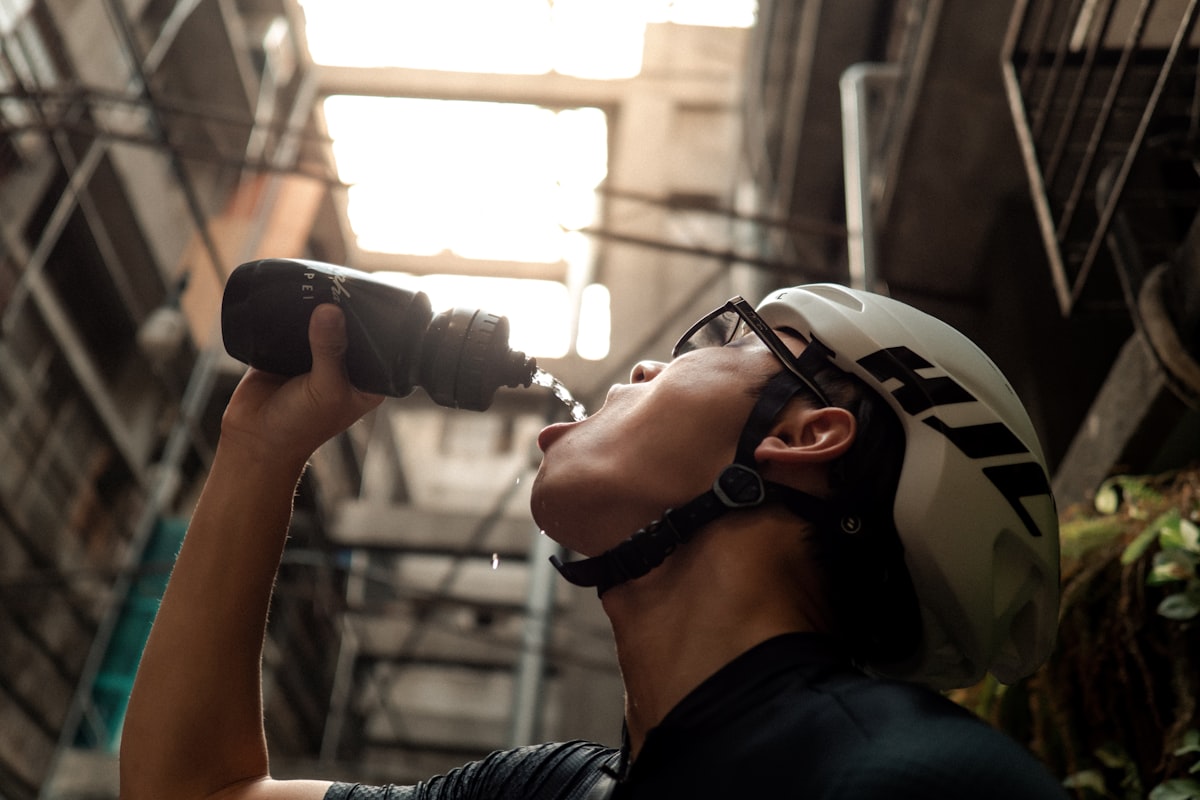
Electrolytes—sodium, potassium, magnesium, and calcium—are minerals that carry electrical charges essential for muscle contraction, nerve signal transmission, and fluid balance. During intense training, athletes lose significant amounts of sodium through sweat, and failing to replace it leads to reduced performance, cramping, and slower recovery.
Many athletes mistakenly drink plain water during long workouts, which dilutes blood sodium levels and actually impairs fluid retention. Strategic inclusion of sodium in your hydration strategy maintains osmotic balance, keeps fluid in your bloodstream longer, and ensures your body absorbs water more efficiently.
Potassium, often depleted after intense exercise, supports muscle function and cardiovascular health. Magnesium aids in protein synthesis and energy production. A comprehensive hydration strategy addresses all these electrolytes, not just water intake.
- Sodium in sports drinks: 20–30 mEq per liter enhances absorption and retention
- Post-workout potassium: Critical for cellular recovery and muscle repair
- Magnesium balance: Supports energy production and reduces muscle fatigue
- Carbohydrate pairing: Glucose with electrolytes speeds absorption and provides fuel
Real Results from Male Athletes
Athletes across Indonesia have transformed their performance by implementing smart hydration strategies. Here's what they've discovered.
"I used to hit a wall during the second half of endurance training. Within two weeks of following a proper hydration protocol with electrolytes, I noticed I could sustain high intensity for much longer. My recovery time dropped significantly, and I'm experiencing fewer cramps. This simple change has been transformative for my overall athletic progress."
Rinto Supriyanto
Jakarta | Marathon Runner, 4.9/5
"Reading about sodium's role in hydration completely changed how I approach my post-gym routine. I was always dehydrated on rest days, but adding electrolytes to my water intake made a huge difference in how my muscles feel."
Eka Wahyudi
Bandung | Gym Training, 5.0/5
"The 4-step hydration protocol is simple and practical. I've noticed my strength in the gym has improved, and I recover faster between sessions. This is the kind of practical advice that actually works."
Budi Hartono
Surabaya | CrossFit Athlete, 4.8/5
"Understanding hydration science took my soccer game to the next level. I'm sharper, faster, and can push harder in the second half. My teammates noticed the difference too."
Doni Kusuma
Medan | Soccer Player, 4.9/5
Common Hydration Questions Answered
Find clear, science-based answers to the questions athletes ask most about hydration strategy.
General guidelines suggest 30–35 mL per kilogram of body weight daily for sedentary individuals. Athletes training hard should increase this to 40–50 mL per kilogram or more, depending on sweat loss and climate. The most reliable method is monitoring urine color—pale yellow indicates adequate hydration, while dark yellow suggests you need more fluids. During training, aim for 150–250 mL every 15–20 minutes.
Yes, excessive water intake can lead to hyponatremia (low sodium levels), which impairs performance and can be dangerous. The key is matching fluid intake to sweat rate and electrolyte loss. For most athletes, 400–800 mL per hour during intense exercise is safe; anything beyond that requires electrolyte supplementation. Listen to your thirst and monitor urine color.
The ideal sports drink contains 20–30 mmol/L sodium (460–690 mg/L), 2–5 mmol/L potassium, and 4–8% carbohydrates. This combination enhances fluid absorption, maintains plasma sodium levels, and delays fatigue. If plain water is your only option, pair it with a snack containing salt and carbs.
Absolutely. In hot conditions, you sweat more and need to drink more frequently with electrolytes. Cold weather suppresses thirst cues but increases fluid loss through respiration—don't skip hydration. Regardless of temperature, drink before you feel thirsty and monitor performance drops that signal dehydration.
Ready to Optimize Your Hydration Strategy?
Master the science of fluid intake and unlock peak athletic performance. Start tracking your sweat rate and hydration plan today.
What Our Athletes Say
Marcus T.
Marathon Runner
"Following the hydration science from Fitnessfoodmaleshub changed my race-day performance. I shaved 8 minutes off my marathon time by optimizing fluid intake."
David L.
CrossFit Competitor
"The electrolyte guidance was a game-changer. I no longer cramp mid-workout, and my recovery is noticeably faster."
James R.
Triathlon Athlete
"As a triathlete, hydration across three disciplines was confusing. This resource simplified everything and improved my overall performance."